Master 5 Types of Solar Mounting Structures for Optimal Power

Types of solar mounting structures

Choosing the right solar mounting structures feels confusing. You worry about costly repairs or poor energy production if you make the wrong choice.

An unsuitable mount exposes your investment to harsh weather, risking damage and reduced output. You need a system built to last and perform.

This guide simplifies the process, helping you pick the perfect solar mounting structures for your site with confidence.

Why mounting systems matter for solar

Think about it: mounting hardware takes up to 15% of your total project budget. These systems lock your panels in place to ensure they survive strong winds and heavy snow. You’ll avoid costly repairs when you choose the right gear for your roof. It’s a smart way to protect your investment for years.

Technician inspecting a solar panel mounting bracket on a roof

Roof mount systems for homes

Think about it: roof mounts provide a sturdy base for your panels. Rail systems anchor the hardware directly to your roof rafters for extra strength. Flush mounts minimize wind drag and look sleek on your property. You’ll enjoy a secure setup that lasts for decades.

Residential rooftop solar panel array on a sunny day

Ground mount systems for open space

Think about it: ground mounts offer the best tilt angles for maximum sun. You’ll avoid roof holes, and these systems simplify your routine maintenance. They turn open land into a powerful energy source. We’ve made solar installation much easier.
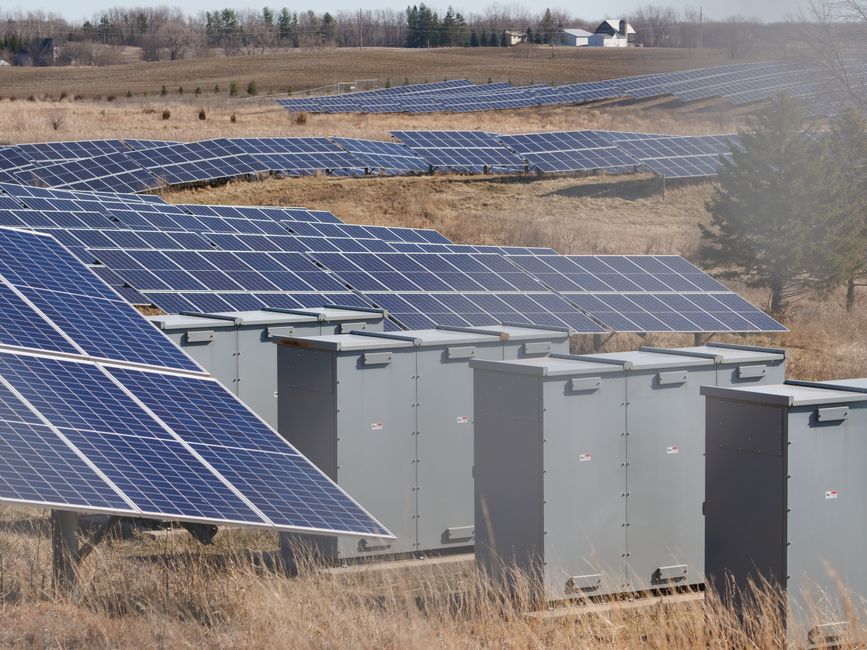
Ground mounted solar panels in a large open field

Comparing fixed and tracking mounts

Think about it: fixed racks stay at one angle to keep your installation costs low. These systems offer a simple, reliable choice for many homeowners. Tracking systems boost energy production by up to 35 percent because they follow the sun across the sky. You’ll see higher yields with this technology.

A solar tracker system adjusting panels toward the sun

Choosing the right fit for your site

Think about it: your roof needs a proper checkup. Site surveys spot hidden shading issues and potential roof health risks before you start construction. Professional engineers calculate local wind and snow loads to ensure your system stays secure. You’ll avoid costly mistakes when you plan ahead.

Structural engineer reviewing solar project site blueprints

Taking the next step in your project

Think about it: you’ll need to consult a local installer to evaluate your roof capacity. These experts check if your home supports the weight of the new mounting structure. You should also compare quotes to find hardware that fits your budget perfectly. It’s time to start.

Happy homeowner reviewing energy savings on a tablet

Here’s what you’ve learned: We explored the essential types of solar mounting structures, from roof and ground mounts to fixed and tracking systems, helping you pick the best fit for your project.

Consult a local solar installer to evaluate your site and get a customized quote. Start your efficient energy journey today!
Master Your Solar Inverter Setup: A 5-Step Guide

how to setup solar inverter

Installing a solar inverter seems tricky. You want to power your home with clean energy, but the technical steps feel overwhelming.

Incorrect setup wastes energy, creates hazards, and can cause costly errors. Don’t let a bad start stop your solar journey.

This guide breaks down exactly how to set up your solar inverter, step-by-step, so you power your home safely and efficiently.

Why you need a solar inverter

Think about it: your solar panels generate direct current electricity. This energy isn’t compatible with your household appliances yet. You’ll need an inverter to convert that power into alternating current. It’s the essential bridge for a functional home system.

Sunlight hitting solar panels on a rooftop

Choosing the right inverter type

Think about it: your setup choice changes everything. String inverters offer a cost-effective solution for sunny roofs, but they struggle when shade hits your panels. Microinverters fix this problem by managing every panel individually. You’ll get better energy production with the right fit.

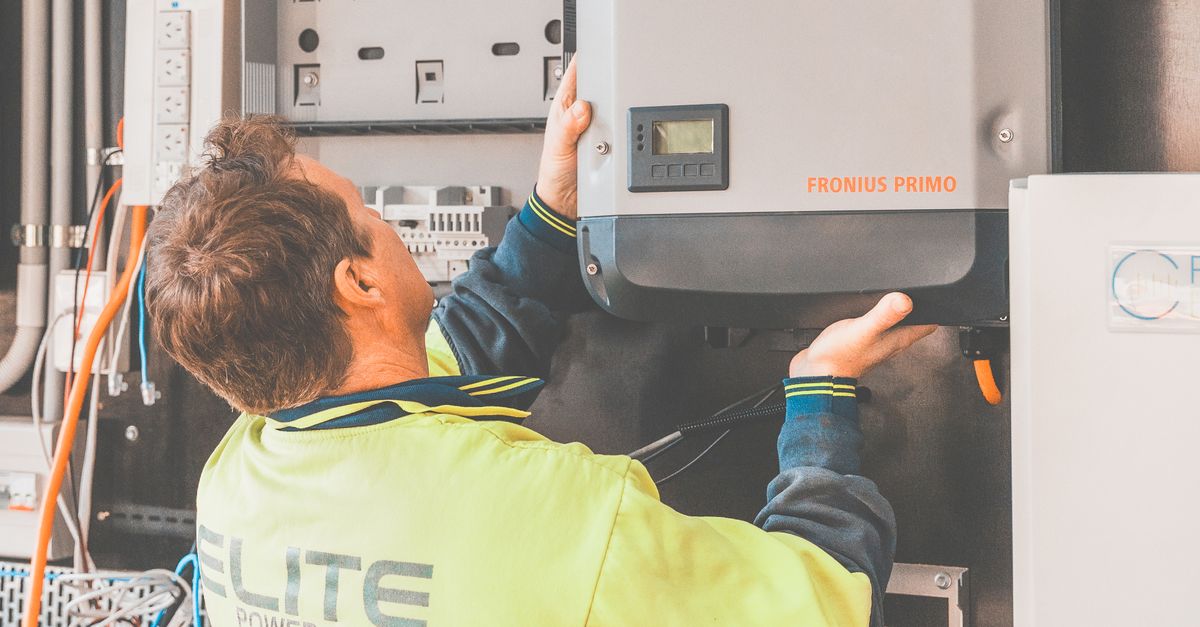
Technician holding a modern inverter box

Safety rules for installation

Think about it: safety comes first. You’ll need thick gloves and protective glasses to prevent serious injuries while you work. Always follow your local electrical codes, and don’t forget to secure the necessary permits before you begin the setup.

Electrician wearing safety gear working on wiring

Step by step wiring guide

Think about it: wiring matters. You connect the DC cables from your panels directly into the inverter. Next, you plug the inverter into your main breaker panel to power your home. It’s a simple process if you follow the safety steps.

Close up of wires connecting to an inverter unit

Connecting to your home network

Think about it: you need your data. Open the manufacturer app to sync your inverter with your home Wi-Fi network. You’ll confirm the connection once the system registers real-time power production on your screen. It’s that simple.

Smartphone screen showing solar energy app data

Common troubleshooting tips

Think about it: checking your status lights saves time. You’ll find specific error codes on the main screen to identify any problems. If the display shows red, don’t worry, just restart the system. This quick reset fixes many connection issues instantly.

Close up of inverter display screen with green lights

Here’s what you’ve learned: You’ve mastered how to choose the right type, safely install, correctly wire, connect to your network, and troubleshoot your solar inverter for peak performance.

Ready to harness solar energy with confidence? Start your setup today and enjoy reliable, clean power for your home. Explore more expert tips on our blog!

7 Smart Ways to Slash Your Electricity Bill Today

Best practices to save electricity

Are you tired of constantly rising electricity bills that strain your budget? Hidden energy waste and peak hour charges quietly inflate your monthly total. You feel powerless against these unexpected costs.

Discover simple yet powerful strategies to save electricity and take control of your home’s energy use.

Why your energy bill keeps rising

Think about it: your utility rates grew by 2.4 percent every year for the last decade. High costs hurt your wallet. You’ll also pay more when you use electricity during busy evening hours. We’ve seen how these peak charges drive up your monthly total.

A frustrated person looking at a high electricity bill on a kitchen table

Hidden sources of energy waste

Think about it: HVAC systems drive half of your total energy use. You’ll also waste money through phantom power from electronics in standby mode, which adds 10 percent to your monthly costs. We’ve seen these hidden drains inflate bills quickly. You don’t need to accept these high charges.

A modern smart thermostat mounted on a clean white wall

Smart ways to slash consumption

Think about it: you’ll slash your lighting costs by 90 percent when you replace old bulbs with LEDs. These efficient upgrades stop wasted energy immediately. You should also install programmable thermostats to control your indoor temperature throughout the day. It’s a simple change that lowers your monthly utility bills.

Hand swapping a traditional incandescent bulb for an LED bulb

Aligning habits with solar production

Think about it: you’ll save more by running heavy appliances during sunny mid-day hours. This simple shift maximizes your free energy production. You can also use solar battery storage to power your home through evening peaks. It’s the smartest way to slash your monthly utility bills.

A woman using a smartphone app to monitor home solar energy production

Real impact of energy efficiency

Think about it: solar panels and efficiency tools cut your monthly costs by 30 percent. These upgrades also boost your property value in today’s real estate market. You’ll save money while you protect your home’s long-term worth. It’s a smart move.

A happy family standing in front of a house with solar panels on the roof

Start your efficiency journey today

Think about it: you’ll save money fast. Audit your home devices this weekend to find hidden energy drains. You should also schedule a professional system check to optimize your solar output. It’s the best way to lower your bills.

A technician performing a maintenance check on a residential solar inverter

Here’s what you’ve learned: you can take control of your energy costs with smart habits and efficiency upgrades.

Start saving money today. Visit AuroDB.com to explore solar solutions and boost your home’s energy independence.

Unlock ₹78,000: India’s New Solar Subsidies Explained

New government India solar subsidies

Are you tired of rising electricity bills eating into your budget? Relying on grid power costs you more every year. Don’t let high energy costs limit your financial freedom. This post shows you how new India solar subsidies make clean energy affordable and bring you significant savings.

Rising electricity costs in India

Think about it: your average household energy bills grow every single year. You’ll struggle to save money while you rely entirely on expensive grid power. Solar energy gives you a better path to total independence. New government subsidies make this shift cheaper than ever before.

A frustrated person looking at a high electricity bill with a calculator

The new PM Surya Ghar subsidy

Think about it: the government now covers up to ₹78,000 for your solar system costs. This subsidy applies to residential rooftop setups across the country. You’ll pay much less for the initial setup. Don’t miss this chance to save.

An infographic showing solar subsidy icons and currency signs

How you qualify for the scheme

Here’s the thing: you must hire a vendor from the National Portal to secure your subsidy. You’ll also need to submit your home electricity bills during the online application process. Keep in mind that system size limits determine your maximum payout. Follow these rules to get your cash.

A technician using a tablet to verify solar installation details

Shortening your solar payback period

Think about it: new government subsidies drop your payback time to just 3 to 5 years. You’ll maximize monthly savings as your home relies less on the expensive utility grid. These incentives boost your total return on investment significantly. Don’t wait to grab these savings.

A bar chart showing rising solar savings over five years

Real impact on monthly budgets

Think about it: many families cut their bills by 70 to 90 percent after installing solar panels. You’ll also earn credits through net metering when your system produces excess power. Reliable solar energy replaces annoying power cuts for good. It’s the best way to save money every single month.

A happy family sitting in a bright living room with solar power

Take the first step today

Think about it: you can save money right now. Register on the official government solar portal to claim your subsidy. You’ll easily compare quotes from certified solar installers in your area. Start your transition to clean energy today.

A man pointing at a smartphone screen with the solar portal website

Here’s what you’ve learned: India’s new solar subsidies, like PM Surya Ghar, offer substantial savings and cut your payback period. Don’t miss out on these benefits. Visit the official government portal today to claim your subsidy and connect with certified installers.