

Choosing the right solar mounting structures feels confusing. You worry about costly repairs or poor energy production if you make the wrong choice.
An unsuitable mount exposes your investment to harsh weather, risking damage and reduced output. You need a system built to last and perform.
This guide simplifies the process, helping you pick the perfect solar mounting structures for your site with confidence.
Why mounting systems matter for solar
Think about it: mounting hardware takes up to 15% of your total project budget. These systems lock your panels in place to ensure they survive strong winds and heavy snow. You’ll avoid costly repairs when you choose the right gear for your roof. It’s a smart way to protect your investment for years.

Roof mount systems for homes
Think about it: roof mounts provide a sturdy base for your panels. Rail systems anchor the hardware directly to your roof rafters for extra strength. Flush mounts minimize wind drag and look sleek on your property. You’ll enjoy a secure setup that lasts for decades.

Ground mount systems for open space
Think about it: ground mounts offer the best tilt angles for maximum sun. You’ll avoid roof holes, and these systems simplify your routine maintenance. They turn open land into a powerful energy source. We’ve made solar installation much easier.
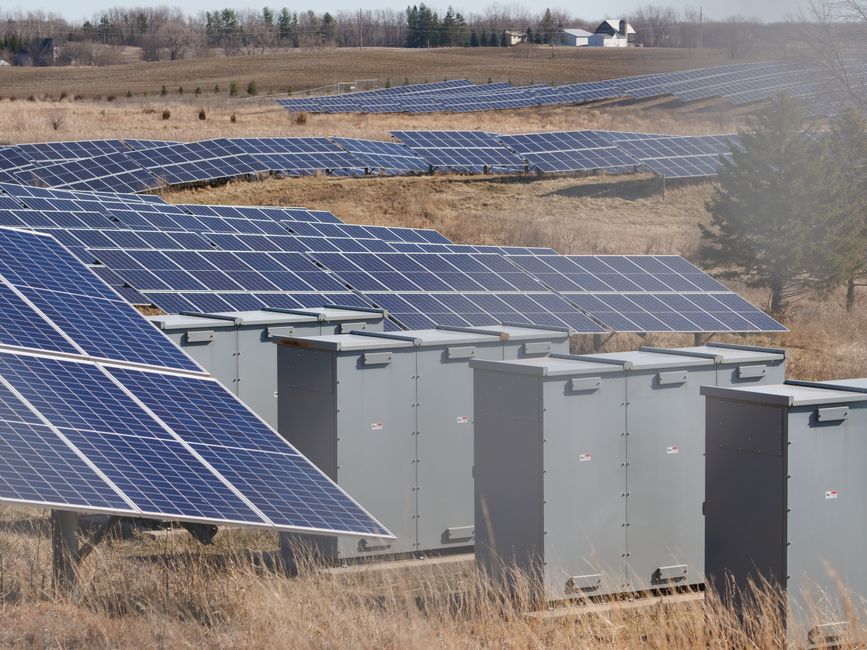
Comparing fixed and tracking mounts
Think about it: fixed racks stay at one angle to keep your installation costs low. These systems offer a simple, reliable choice for many homeowners. Tracking systems boost energy production by up to 35 percent because they follow the sun across the sky. You’ll see higher yields with this technology.

Choosing the right fit for your site
Think about it: your roof needs a proper checkup. Site surveys spot hidden shading issues and potential roof health risks before you start construction. Professional engineers calculate local wind and snow loads to ensure your system stays secure. You’ll avoid costly mistakes when you plan ahead.
Taking the next step in your project
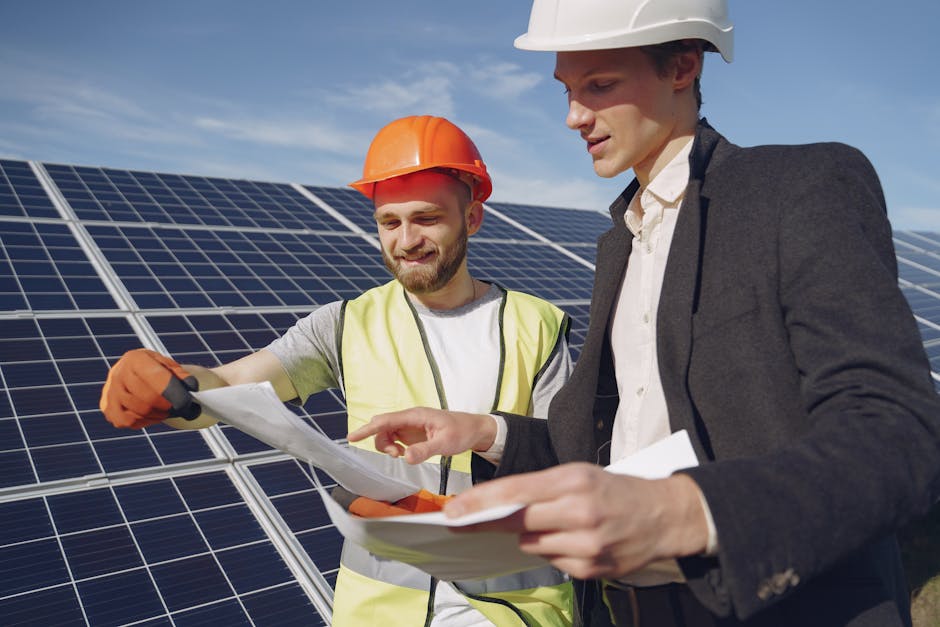
Think about it: you’ll need to consult a local installer to evaluate your roof capacity. These experts check if your home supports the weight of the new mounting structure. You should also compare quotes to find hardware that fits your budget perfectly. It’s time to start.

Here’s what you’ve learned: We explored the essential types of solar mounting structures, from roof and ground mounts to fixed and tracking systems, helping you pick the best fit for your project.
Consult a local solar installer to evaluate your site and get a customized quote. Start your efficient energy journey today!